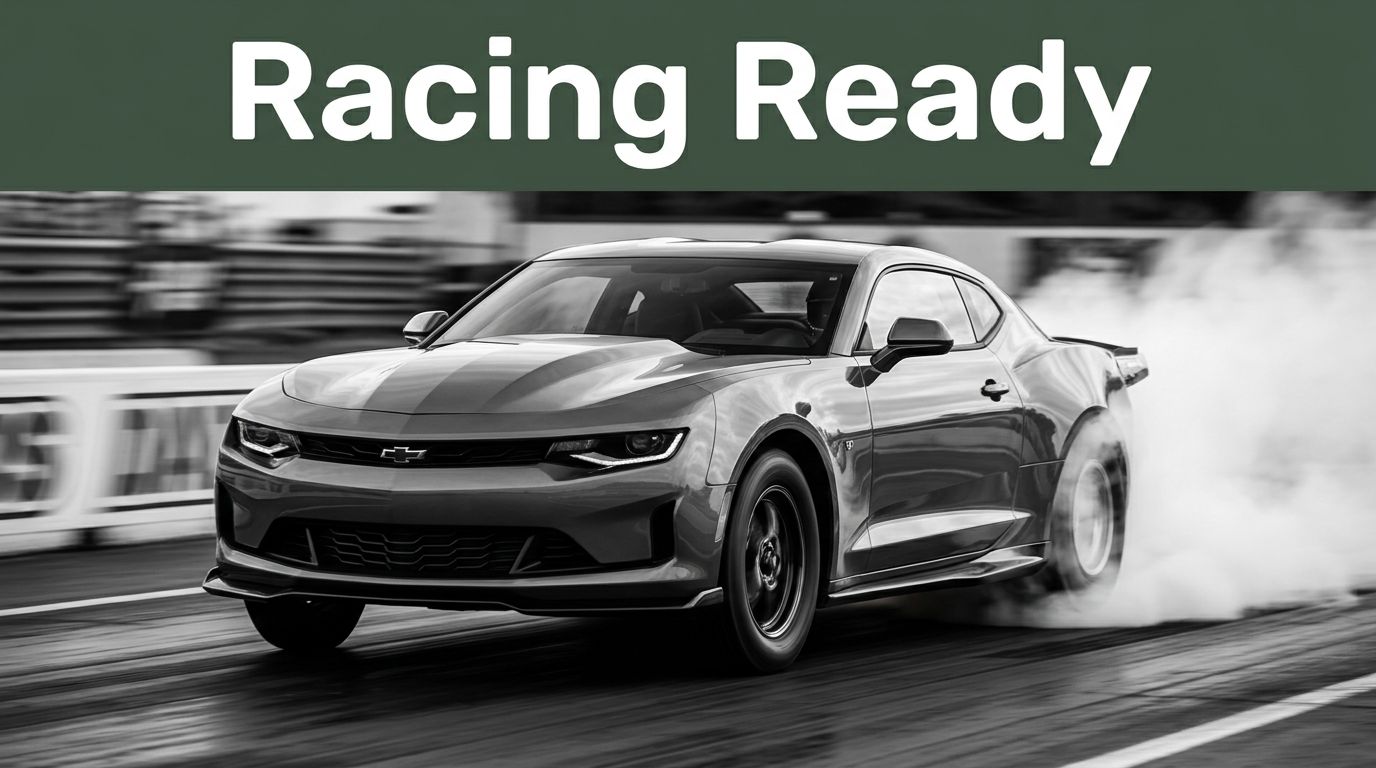
Picture this. Your buddy’s modified street car lines up at the drag strip against a pro racer’s machine. The street car fishtails off the line, tires smoking. The racer surges ahead clean and fast, pulling away by lengths. That gap comes down to specific traits.
Racing demands cars that manage extreme speeds, tight corners, and brutal punishment without failing. These include potent engines, precise handling, clever aerodynamics, durable brakes and tires, plus a light build. You see it in everything from local track days to pro series like IMSA.
We’ll break down each factor next. Spot these in a car, and you’ll know if it can compete. Fans use this knowledge to pick favorites or plan garage projects.
Engine Power That Launches You Ahead of the Pack
No racer wins without a strong engine. It delivers the thrust to blast past rivals. Most track cars pack over 400 horsepower right from the factory. Some hit 600 or more, like the Porsche 911 GT3 RS, which dominated recent GT3 laps.
Torque kicks in first for quick launches. High-revving motors stretch to 7,000 RPM or beyond. They sustain power lap after lap. Naturally aspirated setups breathe free air for sharp response. Turbocharged or supercharged options boost output, as in Le Mans hybrids that topped 2025 charts.
Drive layout matters too. Rear-wheel drive suits dry tracks for tail-happy fun. All-wheel drive grips better in rain or launches, like rally beasts. Power-to-weight ratio tells the real story. Aim below 6 pounds per horsepower. Racers tune for that sweet spot.
Reliability counts under stress. Extra power cut lap times at Daytona by seconds in 2025 races, per official stats. Tune with forged internals and better cooling. So the engine doesn’t quit mid-battle.
Horsepower and Torque: The Dynamic Duo for Speed
Torque pulls hard from low RPMs. It yanks the car forward off corners. Horsepower sustains speed at the top end. Muscle cars grunt low with torque. F1 cars scream high with horsepower.
Stock racers start at 500 HP. Modified ones push 1,000. Dyno tests measure it clean. Track results confirm the gains. A 100 HP jump often shaves a second per lap on tight circuits.
In short, pair them right. You get launches that stick and top speeds that soar.
Gearing Up: Transmissions Built for Lightning Shifts
Racing transmissions shift in under 100 milliseconds. Sequential manuals let drivers flick through gears. Dual-clutch autos swap even faster, no clutch pedal needed.
Paddle shifters on the wheel keep hands on the yoke. No power loss mid-turn. Rally cars use them on gravel for split-second changes. They endure 24 Hours of Le Mans abuse without slip.
Standard manuals work for amateurs. Pros demand the quick stuff. Gear ratios match the track too. Short for twisties, tall for straights. Result? Seamless power flow.

A high-revving race engine under load, belts and turbos spinning fast.
Handling That Glues You to Every Curve
Handling converts power into lap times. A stiff chassis fights flex in hard corners. High-strength steel or carbon fiber builds it rigid. No wobble means better tire grip.
Suspension soaks bumps yet stays planted. Adjustable coilovers let you dial in stiffness. Anti-roll bars cut body lean. Active setups read the road and react.
Steering needs quick ratios. Rack-and-pinion turns sharp with power assist. Balance weight near 50/50 front to rear. GT3 cars nail this at Nurburgring, setting records.
Tune for the track. Softer for bumpy ovals. Stiffer for smooth road courses. Data logs guide tweaks.
Chassis and Frame: The Solid Foundation for Control
Chassis rigidity stops roll. It keeps tires flat on the road. Street cars flex easy. Racers hit over 20,000 Nm per degree torsional stiffness.
Tube frames shine in dragsters. Monocoques rule supercars. Roll cages add safety without much weight. Flex gone, control stays.
Suspension Magic: Conquering Bumps and Bends
Double-wishbone arms control camber perfect. Pushrod designs hide springs low. Dampers like Multimatic in the Ford GT absorb shocks.
Sway bars link wheels side to side. Tune for neutral balance, no push or slide. Log data from sessions. Adjust springs next run. Precision pays off.
Aerodynamics: Harnessing Air for Downforce and Speed
Air shapes high-speed stability. Wings and splitters press the car down. At 200 mph, downforce doubles weight in top F1 cars. Diffusers suck air out back for balance.
Low profiles cut drag. Smooth floors channel flow. Active aero, like Formula 1’s DRS, opens for straights. Red Bull’s 2025 ground-effect floor won poles.
Balance it right. High downforce grips twisty tracks. Low drag rules long straights.
Wings and Spoilers: Generating Grip from Thin Air
Front splitters push nose down. Rear wings adjustable add rear bite. IMSA cars make 500 pounds at 150 mph.
Wind tunnels prove designs. Adjust angle per track. More grip, faster laps.

Race car wing slicing air, generating downforce on a high-speed straight.
Brakes and Tires: Grip, Stop, Repeat Lap After Lap
Brakes haul speed from triple digits. Massive carbon-ceramic rotors over 13 inches shrug off fade. Ventilated discs cool fast.
Tires provide the glue. Slicks for dry grip, wide and soft. Rain rubber channels water. Michelin Pilot Sport Cup 2R suits track days. Pirelli Trofeo R takes pro abuse.
Tweak pressures and camber. No ABS in pure racing. Manage wear over stints.
Brake Systems That Never Quit Under Pressure
Six-piston calipers clamp hard. Racing pads take 1,000 degrees Celsius. Big kits bolt onto street cars easy.
Heat cycles test them. Good ones stay strong after 20 hard stops.
Tires Tailored for Ultimate Road-Hugging Traction
Slicks shed tread for bite. Soft compounds qualify fast, hard ones last races. Rear widths hit 300mm plus.
Warm them with laps. Cold tires slide. Hot ones hook up.

Carbon brakes glowing red, slowing a racer into a sharp turn.
Lightweight Design: Less Weight, More Thrills
Weight kills speed. Strip to under 2,500 pounds. Aluminum panels, carbon fiber hoods, Lexan glass save hundreds.
Mid-engine spots mass low. Center of gravity drops. No snap oversteer. Mazda Miata starts light for builds.
Koenigsegg chassis tech pushes extremes. Less mass means quicker turns, less fuel burn. Agility wins.
DIY tip: Gut the interior. Swap steel for composites. Gains stack up.

Carbon fiber chassis frame, sleek and minimal for max speed.
Powerful engines launch you. Sharp handling carves corners. Aero plants you fast. Brakes and tires grip and stop sure. Light weight ties it quick.
Balance all traits for wins. No one factor rules alone. Check your ride against these. Plan mods if it falls short.
Share your top race car in comments. Hit a local track soon. Subscribe for build tips. Racing thrills wait at any level.