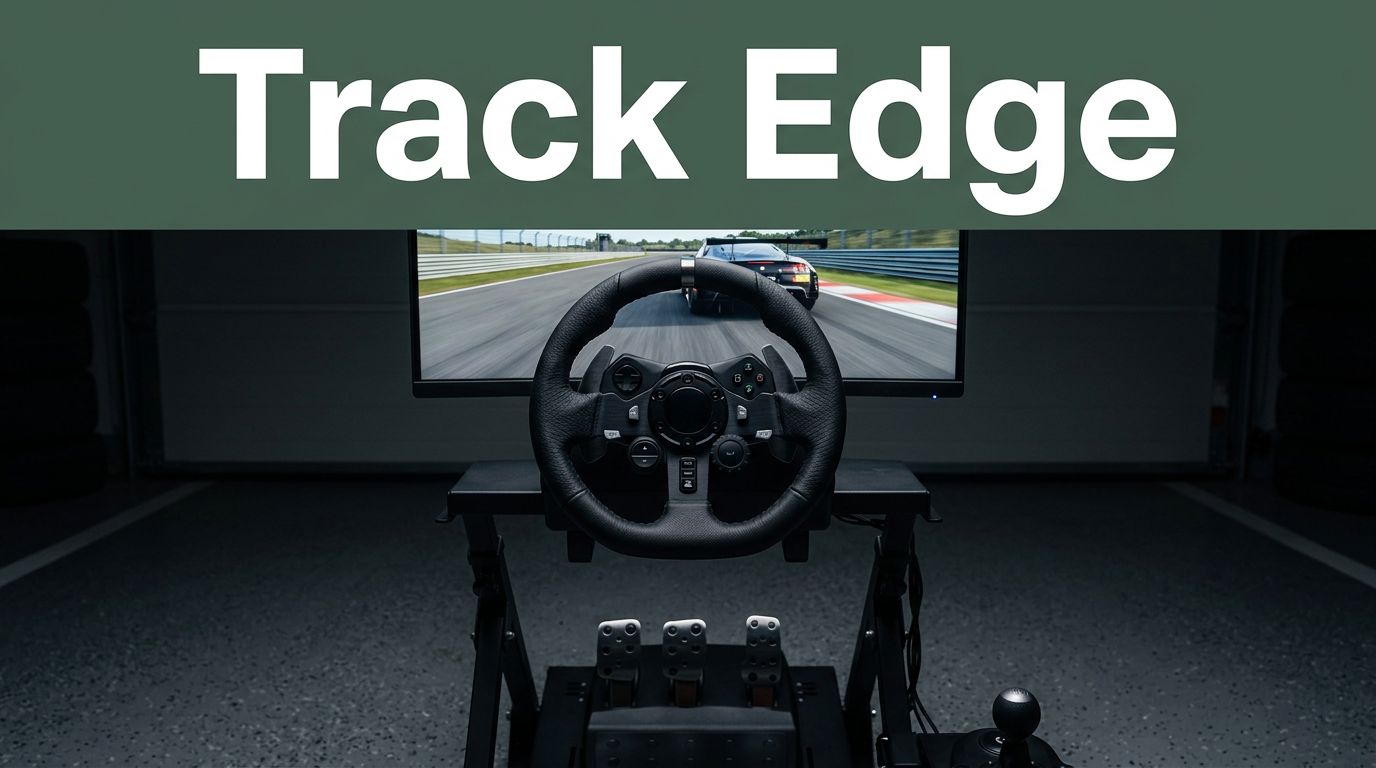
You slide into a corner during your local track day. The brakes lock up because you braked too late. Seconds slip away as you recover. Crashes like that sting, especially when you’re paying for track time.
One weekend racer fixed it fast. He spent evenings in a simulator. After two weeks, he shaved two seconds off his lap times. No wrecked parts. No repair bills. Simulators give you unlimited practice in a safe spot. You review data on every turn. Muscle memory grows cheap and quick. Pros such as Max Verstappen log hours daily on sims for that edge.
This guide shows you how. You’ll pick the right gear. You’ll drill key techniques. You’ll set up smart routines. You’ll bridge sim gains to real track wins. Ready to drop those lap times?
Pick Simulator Gear That Matches Real Racing Feel
Good gear fools your brain into real driving patterns. Cheap plastic wheels teach bad habits. Real force feedback mimics road feel. Start here to build solid skills from day one.
Focus on your goals first. GT cars need stiff setups. Open-wheel demands quick response. Match your real car type. Home space matters too. Many rigs fold away for apartments.
Budget options shine in 2026. The Logitech G29 delivers solid feedback under $300. It suits beginners. Premium picks like MOZA R21 direct-drive bases hit $600. They offer pro-level detail. Fanatec GT DD Pro packs punch for $700. Check MOZA’s latest wheel bases for current deals.
Seats boost immersion. A sturdy Playseat folds easy. Triple 27-inch monitors wrap your view. VR headsets like Valve Index add depth without screens. Advanced users add motion platforms. They tilt for curbs and bumps. But skip them at first. Overkill slows progress.
Space-saving tips help. Bolt pedals to a board. Clamp wheels to a desk. Test in a store if possible. Comfort prevents fatigue during long sessions.
Popular 2026 rigs compare well:
| Rig | Price Range | Best For | Drawbacks |
|---|---|---|---|
| Logitech G29 Bundle | $250-350 | Beginners, budget laps | Belt drive feels light |
| MOZA R21 + Pedals | $600-900 | GT precision | Needs sturdy mount |
| Fanatec ClubSport | $1,000-1,500 | Versatile tracks | Software updates lag |
| Simucube 2 Pro | $2,000+ | Pro direct drive | High cost, space hog |
Pick based on your wallet and room. Simple starts yield big gains.

Hardware Essentials for Realistic Feedback
Direct-drive wheels top the list now. Simucube 2 Sport gives sharp road texture. No belts dilute the feel. Load-cell pedals train brake pressure. They match real ABS thresholds. Bad pedals build sloppy stops. Fix that early.
Starter kits under $500 work. Logitech T300 with brake mod starts strong. Pro setups hit $2,000. Add a wheel stand for stability. 2026 brings wireless pedals from Thrustmaster. AI calibration apps tune force automatically.
Clamp everything firm. Loose mounts waste feedback. Test brake lockup in sim first. Real habits stick.
Software Choices That Simulate Pro Tracks Perfectly
iRacing leads with laser-scanned tracks. Online races build wheel-to-wheel skills. Assetto Corsa Competizione nails GT physics. rFactor 2 excels in tire models. Free demos from Automobilista 2 let you test.
Subscription models like iRacing cost $13 monthly. Buy-once options save long-term. Mods add custom cars. Pick by goal. Sprint? Go iRacing. Endurance? ACC shines.
See iRacing’s track list for real-world matches. Laser scans beat modeled ones for accuracy.
Practice Core Techniques to Shave Seconds Off Laps
Endless laps won’t cut it. Target weak spots instead. Repeat drills until smooth. Data shows progress. Real physics transfer because sims model grip and wear right.
Brake late. Smooth throttle. Hit apexes. These build speed. Mindless driving plateaus you. Deliberate reps drop times fast.
Nail Braking Zones and Smooth Corner Entries
Trail braking slows you less. Brake hard, ease off mid-corner. Late apex keeps speed. Use hotlap mode. Chase your best.
Pick three turns. Drill 20 minutes. VR helps judge distance. Watch replays. Spot early turns. Fix them next run.
Step-by-step: 1. Approach straight. 2. Brake at marker. 3. Turn in smooth. 4. Trail brake to apex. 5. Unwind steering. Repeat.
Gains show quick. One hour nets cleaner entries.
Hone Overtaking Moves and Defensive Lines
Practice passes inside or outside. Slipstream saves fuel. AI races teach defense. Online leagues add pressure.
Check mirrors often. Block divebombs fair. Join Discord groups for battles. Start with 10-lap races.
Watch pros on YouTube. Copy lines. Sim leagues mimic real packs.
Build Stamina for Consistent Race Pace
Full stints beat sprints. Run 20 laps. Track delta times. Stay under 0.2-second variance.
Manage tires. Save fuel. Fatigue hits late. Short sessions build base. Add heat sims for realism.

Design a Weekly Routine That Builds Real Speed Fast
Consistency wins. One to two hours daily avoids burnout. Rest days recover focus. Scale to your level.
Mix drills, races, review. Track weekly bests. Adjust weak areas.
Sample Schedule Tailored to Your Skill Level
Beginners: Hotlaps Monday, Wednesday. Focus lines.
Intermediates: Time trials Tuesday. Quali Thursday.
Advanced: Endurance Friday. Full races Sunday.
Warm up five laps easy. Cool down with replays. Fit around work. Even 45 minutes counts.
- Monday: Technique drills (braking)
- Tuesday: Time trials
- Wednesday: Rest or light review
- Thursday: Overtakes with AI
- Friday: Stint practice
- Weekend: Online races
Unlock Insights from Telemetry and Replays
Free tools like MOTEC parse data. Sim analyzers come built-in. Compare laps side-by-side.
Spot throttle spikes. Check line wiggles. Speed traces reveal losses.
| Metric | Good Target | Fix If… |
|---|---|---|
| Throttle Smoothness | 95% gradual | Jerky inputs |
| Brake Pressure | Consistent peak | Early lock |
| Steering Angle | Minimal oversteer | Excess wheel |
First week cuts 10% time. Review every session.
For deeper dives, try MOTEC’s racing telemetry guide.
Transfer Sim Wins to the Track Without Losing Edge
Sim grip exceeds real often. Force limits differ. Track bumps change. Mimic sim data first laps.
Club racers report one-second gains after sim months. SCCA drivers credit drills for podiums. Don’t over-rely though. Real wind shifts lines.
Spot and Fix the Biggest Sim-to-Real Differences
Grip drops in heat. Wind pushes cars. Tires degrade faster real.
Note sim braking points. Test conservative first. Coach validates data.
Checklist: Grip levels. Bump feedback. Tire compounds. Run sim-real parallels weekly.
Success stories abound. One SCCA racer went from mid-pack to top five.

Simulators transform your driving. Gear up right. Drill techniques. Follow routines. Transfer smart. You’ll race better tomorrow.
Start tonight. Set up a rig. Log first laps. Share your setup in comments. What times did you drop? Subscribe for sim league picks next.
Common questions: Starter rigs cost $300 up. Sessions take 1 hour daily. Real gains show in weeks.
(Word count: 1487)